The retina is a complex and delicate layer of tissue located at the back of the eye, comparable to the film in a camera. It plays a fundamental role in vision by capturing light rays that enter the eye and converting them into electrical signals. These signals are then transmitted through the optic nerve to the brain, where they are interpreted as images.
The retina consists of several layers, each with specific functions, such as photoreceptors (rods and cones) responsible for detecting light and colour, and nerve cells that process visual information before sending it to the brain.
Common Retinal Conditions
Macular Degeneration
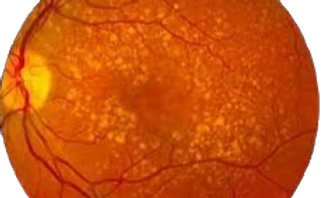
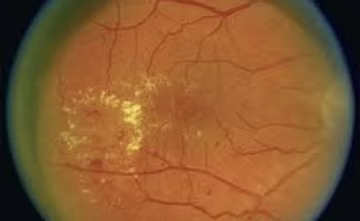
Also known as age-related macular degeneration (AMD), this condition affects the macula, the central part of the retina responsible for sharp, central vision. AMD can manifest as either dry or wet forms, with symptoms including blurred or distorted vision, difficulty reading, and central vision loss.
Diabetic Retinopathy
Diabetic retinopathy is a complication of diabetes that affects the blood vessels in the retina. High levels of blood sugar can damage the tiny blood vessels, causing them to leak fluid or bleed into the retina. This can lead to vision problems, including blurry vision, floaters, and even blindness if left untreated.
Retina Vein Occlusion
Retina vein occlusion is usually caused by blockage of the veins that carry blood away from the retina. There may be sequelae such as macular oedema or swelling in the macular or new vessel formation requiring treatment. Symptoms include sudden, painless vision loss or blurring, and floaters. Common risk factors include high blood pressure, diabetes, and hypercholesterolemia. Rarely, hyper coagulopathies or other local causes such as glaucoma or thyroid eye disease may cause retina vein occlusion.
Central Serous Retinopathy
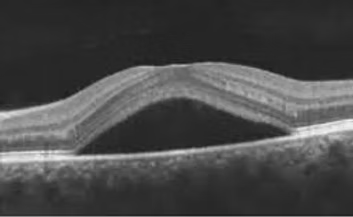
Central serous retinopathy is a condition where fluid accumulates under the retina, causing a blister-like swelling. This often results in blurry vision and a central dark spot in the visual field. The exact cause is unknown, but stress, steroid use, are known risk factors. Most cases resolve on their own, but prolonged or more severe cases may require treatment in the form of laser, photodynamic therapy, or rarely intra vitreal anti-VEGF.
Importance of Early Detection and Treatment
Early detection and treatment of retinal conditions are crucial for preserving vision and maintaining quality of life. Many retinal diseases, such as diabetic retinopathy and retinal detachments, can progress rapidly and cause irreversible damage if not addressed promptly.
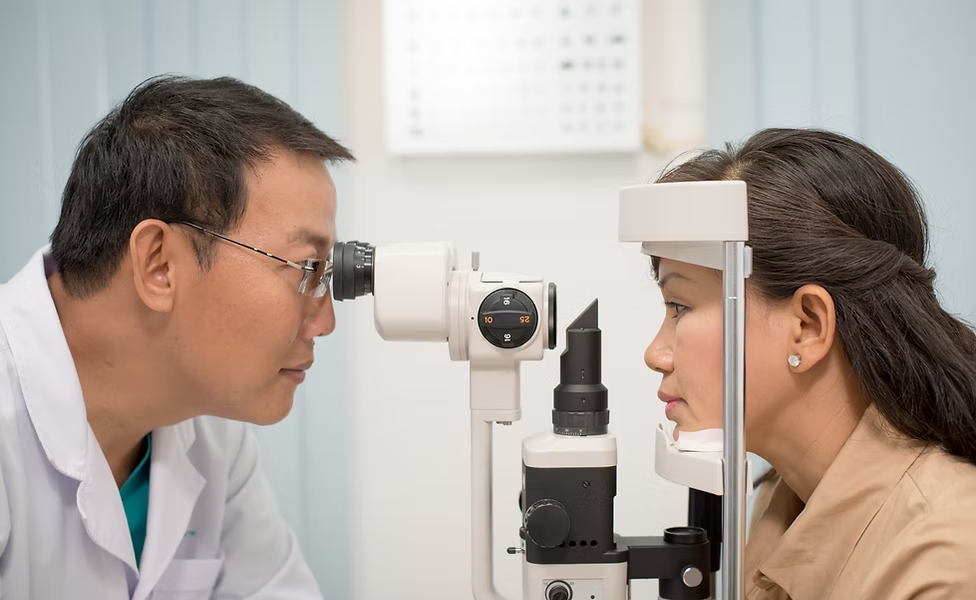
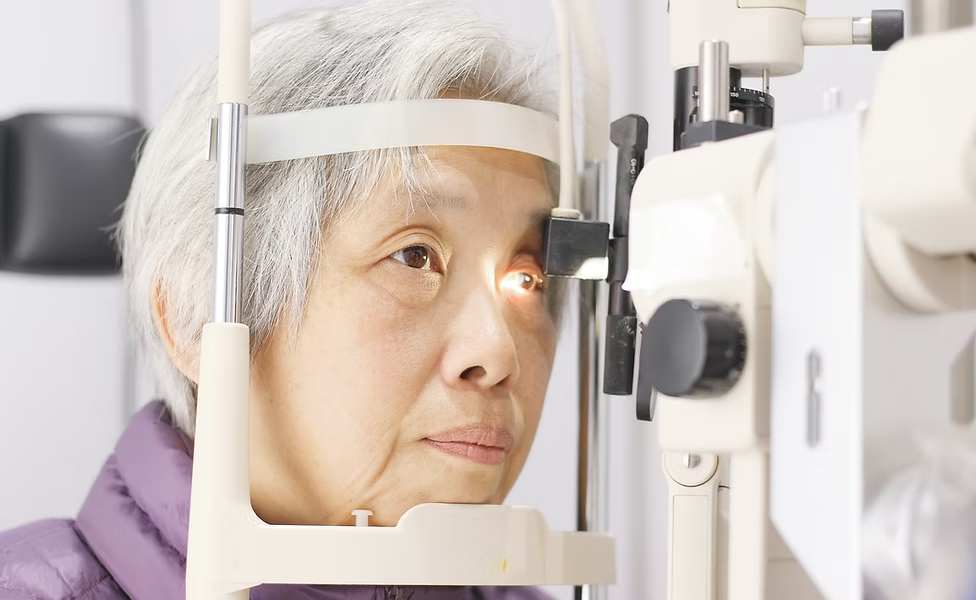
Regular eye examinations, including dilated eye exams, can help detect retinal abnormalities at an early stage when treatment is most effective. Timely intervention not only helps prevent vision loss but also improves the prognosis and outcomes for patients with retinal disorders.
Introduction to
Private Retinal Laser Therapy
Private retina laser therapy is an advanced treatment option that utilises laser technology to address various retinal conditions. Unlike traditional healthcare settings, private clinics offer patients personalised care in a comfortable and convenient environment. Retina laser therapy aims to precisely target abnormal areas of the retina, such as leaking blood vessels or retinal tears, with the goal of halting disease progression and preserving vision. Macular lasers also help to reduce macular fluid, thereby improving vision and distortion.
Benefits of Private Treatment
Personalised Care
Private clinics often provide individualised treatment plans tailored to each patient's specific needs and preferences. This personalised approach ensures that patients receive the most appropriate and effective care for their condition.
Reduced waiting times
Unlike public healthcare facilities, where patients may face lengthy waitlists for specialist appointments and treatments, private clinics offer expedited access to care. Reduced waiting times mean that patients can receive timely intervention, leading to better treatment outcomes and improved quality of life.
Access to advanced technology
Private retina laser therapy centres are equipped with state-of-the-art laser systems and diagnostic equipment, allowing for precise and targeted treatment of retinal disorders. Advanced technology enables ophthalmologists to deliver optimal outcomes while minimising the risk of complications. Examples of these include newer technologies such as softer lasers for the macular, micropulse or nanosecond lasers which has been shown in research to reduce adjuvant damage on the macular as compared to conventional laser therapy.
Conditions Treated with Retina Laser Therapy
Diabetic Retinopathy
Diabetic retinopathy is a common complication of diabetes that affects the blood vessels in the retina. In the advanced stages, new vessels may develop with possible bleeding in the eye or detachment, causing visual impairment. Laser therapy is often used to treat advanced stage or proliferative stages of diabetic retinopathy by sealing leaking blood vessels and reducing the risk of further damage to the retina.
This laser therapy is known as panretina photocoagulation. Early intervention with laser therapy can help prevent vision loss and preserve visual function for patients with proliferative diabetic retinopathy, improving their long-term prognosis and quality of life.
Diabetic Macular Oedema
Diabetic macular oedema (DME) is a serious eye condition that occurs as a complication of diabetic eye disease, affecting the macula, the part of the retina responsible for central vision. In DME, fluid accumulates in the macula, leading to swelling and thickening of this crucial tissue.
Individuals with DME often experience symptoms such as blurry vision, distorted or washed-out colours. These symptoms can range from mild to severe and may worsen over time if the condition remains untreated.
The primary cause of DME is uncontrolled high blood sugar, which damages the retinal blood vessels. Additional risk factors include high blood pressure, high cholesterol, and the duration of diabetes. Both type 1 and type 2 diabetes patients are susceptible, particularly those who have had the disease for many years.
Retinal Tears
Retinal tears are serious eye conditions that require prompt medical attention to prevent permanent vision loss. Laser therapy is a key component of treatment for retinal tears as it can help seal the tears and prevent retina detachment.
Overview of the Procedure
Private retina laser therapy typically involves several steps, beginning with a comprehensive consultation and evaluation to assess the patient’s retinal health and determine the most appropriate treatment approach. During the procedure, the patient may receive local anaesthesia to ensure comfort and minimise discomfort.
The ophthalmologist then uses a specialised laser system to precisely target and treat the affected areas of the retina. The duration of the procedure may vary depending on the complexity of the condition being treated, but patients can generally expect to experience minimal discomfort and return home shortly after treatment.
Following the procedure, patients may be advised to rest and avoid strenuous activities for a brief period while their eyes heal. Ongoing monitoring and follow-up appointments are essential to track progress and ensure optimal outcomes.
Pre-Treatment Preparation
Before embarking on the journey of retina laser therapy, patients will undergo a comprehensive pre-treatment preparation phase aimed at ensuring their safety, comfort, and optimal treatment outcomes. Here’s a detailed overview of what this entails:
Thorough Consultation and Evaluation
Each patient will be scheduled for a thorough consultation and evaluation session. This initial meeting serves as an opportunity for the patient and the healthcare team to establish rapport, discuss medical history, and address any concerns or questions the patient may have regarding the procedure.
Review of Medical History
During the consultation, the ophthalmologist will conduct a detailed review of the patient’s medical history, including any pre-existing conditions, medications, allergies, and previous eye surgeries or treatments. This information is vital for assessing the patient’s overall health status and determining their suitability for retina laser therapy.
Comprehensive Eye Examination
A comprehensive eye examination will be performed to assess the health and function of the patient’s eyes. This may include tests such as visual acuity assessment, intraocular pressure measurement, and evaluation of the retina, optic nerve, and surrounding structures. The ophthalmologist will carefully examine the retina to identify any abnormalities or signs of underlying retinal conditions that may require treatment.
Discussion of Treatment Options
Based on the findings of the evaluation, the ophthalmologist will discuss the various treatment options available for the patient’s specific retinal condition. This may include retina laser therapy as well as alternative treatment modalities such as intravitreal injections or surgical interventions. The pros and cons of each option will be explained, and the patient will have the opportunity to actively participate in the decision-making process.
Additional Diagnostic Tests
In some cases, the ophthalmologist may recommend additional diagnostic tests to further assess the health of the retina and guide treatment planning. These tests may include optical coherence tomography (OCT), wide field imaging which provides detailed cross-sectional images of the retina, and fluorescein angiography, which evaluates the blood flow and circulation in the retina. These diagnostic tests help the ophthalmologist gain a comprehensive understanding of the patient’s retinal condition and tailor the treatment approach accordingly.
Patient Education and Counselling
Throughout the pre-treatment preparation phase, patient education and counselling play a crucial role in ensuring that the patient is well-informed and prepared for the upcoming procedure. The ophthalmologist will take the time to explain the purpose of retina laser therapy, how it works, what to expect during and after the procedure, and any potential risks or side effects involved. This empowers the patient to make informed decisions about their eye care and alleviates any anxieties or uncertainties they may have.
Development of a Customised Treatment Plan
Based on the results of the consultation, evaluation, and diagnostic tests, the ophthalmologist will develop a customised treatment plan tailored to the patient’s individual needs and goals. This plan will outline the recommended course of action, including the type and duration of treatment, as well as any necessary follow-up appointments or post-procedure care instructions.
The Treatment Process
On the day of the procedure, patients will be greeted by our friendly staff and escorted to the treatment room, where they will be made comfortable in a reclining chair. Local anaesthetic eye drops may be administered to numb the eye and minimise discomfort during the procedure. The ophthalmologist will then use a specialised laser system to deliver targeted treatment to the affected areas of the retina.
Patients may experience mild sensations of warmth or tingling during the procedure, but overall, the treatment is well-tolerated and typically lasts for a short duration. Following treatment, patients will have the opportunity to rest briefly before being discharged home with post-procedure instructions and any necessary medications.
Post-Treatment Care
After undergoing retina laser therapy, patients will receive detailed post-procedure instructions to help facilitate a smooth recovery and optimise treatment outcomes. It is essential to follow these instructions carefully and attend all scheduled follow-up appointments to monitor progress and address any concerns.
Patients may experience minor side effects such as redness, swelling, or mild discomfort in the treated eye, which should resolve within a few days. It is essential to avoid rubbing or touching the eyes and to refrain from strenuous activities that could strain the eyes during the initial recovery period.
Our team is available to provide support and guidance throughout the recovery process, ensuring that patients receive the care and attention they need to achieve the best possible outcomes.
Treatment Rates
The cost of lasers starts from £550 per eye.
Frequently Asked Questions
What conditions can be treated with retina laser therapy?
Retina lasers such as panretina photocoagulation remains the gold standard treatment for proliferative retina vascular disease such as diabetic retinopathy and retina vein occlusion. Lasers targeted at the macular , macular laser therapy is often used to treat conditions such as diabetic macular oedema, macular oedema from vein occlusion and certain cases of central serous retinopathy.
Is retina laser therapy painful?
Patients will be given topical anaesthetic drops and will have a contact lens on the eye to keep the eye open during the procedure. You can feel slight discomfort during the procedure and immediately after. Usually paracetamol or NSAID tables over the counter will help to ease the discomfort from the procedure. You should not be experiencing pain beyond a day or two. If not, please seek urgent assistance.
How long does a retina laser therapy session typically last?
Depending on the area to be treated, a session will take from 15 mins to 30 min per eye.
Are there any side effects or risks associated with retina laser therapy?
Whilst laser photocoagulation is effective, there are risks involved , such as:
Vision loss: It may cause a blind spot in the area where a scar forms. If the fovea is lasered, this may cause visual loss but this is incredibly rare.
Damage to the retina caused by the scar that formed from treatment: This damage may occur right after surgery or years later.
Blood vessels that grow again: Retina specialists can remedy this by repeating the laser treatment.
Bleeding in the eye
Reduced colour vision
Lowered night vision
What is the recovery process like after retina laser therapy?
The procedure is a day procedure and you will usually go home after the procedure. You can continue with normal activity following the laser therapy. You might feel slight discomfort for a day or two. The true impact of the laser on the retina vasculature or fluid may take up to 2 weeks or 3-4 months in the case of macular oedema. A follow up appointment will be scheduled to monitor on the status of the retina following the procedure
Will I need multiple sessions of retina laser therapy?
In certain indications of retina laser such as proliferative diabetic retinopathy, several sessions of retina laser therapy will be planned
Is retina laser therapy covered by insurance?
Most indications of retina laser therapy are covered by insurance, please contact your insurance to confirm your eligibility depending on your personal insurance plans.


 English