

 English
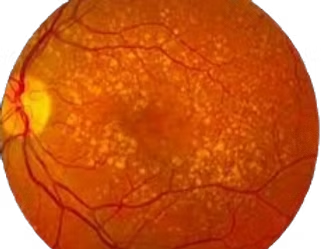
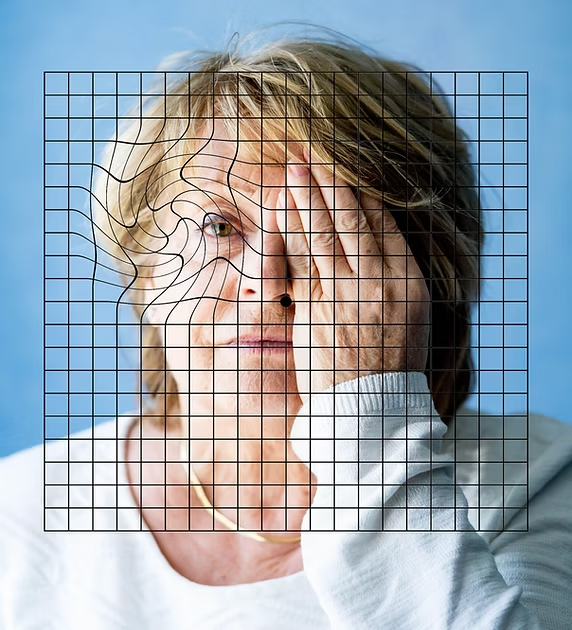
Drusen which are yellowish deposits under the retina are hallmarks of AMD. In most cases, patients may be asymptomatic or have slight distortion.

Dry AMD, also known as non-neovascular AMD, is the more common form of the condition. It occurs when the cells of the macula gradually break down over time, leading to a gradual loss of central vision.

Wet AMD, also known as neovascular AMD, is less common but more severe than dry AMD. It occurs when abnormal blood vessels grow beneath the macula and leak fluid or blood, causing rapid and severe damage to central vision.
Wet AMD can cause sudden changes in vision, such as the appearance of dark spots or straight lines appearing wavy. Without prompt treatment, wet AMD can lead to significant vision loss.

Early AMD is characterised by the presence of medium-sized drusen or changes in pigmentation in the macula. Individuals with early AMD may not experience noticeable vision loss or symptoms.
Intermediate AMD is characterised by the presence of large drusen, pigment changes, or a combination of both. Some individuals with intermediate AMD may experience mild to moderate vision loss or distortion.
Late AMD can be further divided into two subtypes: dry AMD (geographic atrophy) and wet AMD (neovascular AMD). Dry AMD (geographic atrophy) is characterised by the development of extensive areas of cell loss in the macula, leading to significant vision loss.
Wet AMD (neovascular AMD) is characterised by the growth of abnormal blood vessels beneath the macula, which can cause rapid and severe vision loss if left untreated. It's essential for individuals with AMD to undergo regular eye exams to monitor the progression of the condition and receive timely treatment when necessary.
Eat a balanced diet rich in fruits, vegetables, and omega-3 fatty acids, which are found in fish like salmon, mackerel, and sardines. Include foods high in antioxidants, such as leafy greens, citrus fruits, and nuts, to help protect your eyes from oxidative damage. Limit your intake of saturated fats and processed foods, which may contribute to inflammation and increase the risk of AMD.
Smoking is a significant risk factor for AMD and can accelerate its progression. If you smoke, quitting can help reduce your risk of developing AMD and other eye conditions.
Control conditions such as high blood pressure, high cholesterol, and diabetes through regular monitoring and appropriate treatment. Chronic health conditions like hypertension and diabetes can increase the risk of developing AMD, so managing these conditions can help lower your risk.
Schedule comprehensive eye exams with an eye care professional on a regular basis, even if you have no symptoms. Early detection and intervention are key to preventing vision loss from AMD, so regular eye exams are essential for maintaining eye health and detecting any changes early.
Aim to maintain a healthy weight through regular exercise and a balanced diet. Obesity and excess weight are associated with an increased risk of developing AMD, so maintaining a healthy weight can help reduce your risk.
Wear sunglasses that block 100% of UVA and UVB rays when outdoors to protect your eyes from harmful UV radiation. UV exposure can contribute to the development and progression of AMD, so wearing sunglasses can help lower your risk.
Engage in regular physical activity, such as walking, swimming, or cycling, to promote overall health and reduce the risk of AMD. Exercise improves blood flow to the eyes and may help protect against AMD and other age-related eye conditions.



Intravitreal injections of anti-VEGF medications are a mainstay of treatment for wet AMD. These injections are administered directly into the eye to inhibit the growth of abnormal blood vessels and reduce fluid leakage, thereby stabilising vision and preventing further vision loss. Anti-VEGF injections may need to be administered regularly to maintain their effectiveness.
A variety of treatment options are available for managing AMD and preserving vision. From non-surgical interventions such as lifestyle changes, dietary supplements, and low vision aids to surgical procedures like photodynamic therapy and laser surgery, individuals with AMD have access to a range of interventions to help maintain their visual function and quality of life.
It is essential to consult with an eye care professional to determine the most appropriate treatment approach based on individual needs and disease severity.

If you or a loved one have been diagnosed with wet AMD or are experiencing symptoms of AMD, it is crucial to seek consultation with an eye care professional for personalised treatment recommendations.
Your eye care provider can assess your condition, discuss available treatment options, and help develop a tailored treatment plan to meet your specific needs and goals. Don’t wait until vision loss occurs – schedule an appointment today to take proactive steps towards preserving your vision and maintaining your quality of life.

Depending on your disease, the treatment plan will involve a course of intravitreal anti-VEGF injections. Usually there will be either 3 or 4 loading doses on a monthly basis and Ms Heng will advise a more detailed and personalised treatment plan tailored to your disease and prognosis.
During all follow up and injection visits, your eyes will be dilated and vision checked. You will receive topical anaesthetic to numb your eyes so you will not feel any discomfort during the procedure.
Following the procedure, we may ask that you stay 10 minutes for a post procedure eye pressure check. You will be able to go home on the same day. There will be no bandage nor patch on your eye following the procedure and you can function as normal after that.
Be careful about the injected eye and avoid swimming, rubbing your eyes. Your eyes may be slightly uncomfortable or you may experience foggy vision for 1 day or 2, but if there is worsening pain or vision, please ring us for urgent advice.
Anti-VEGF therapy is generally safe. Just as with all medical procedures, there is a small risk of complications following the treatment, which may include the following: