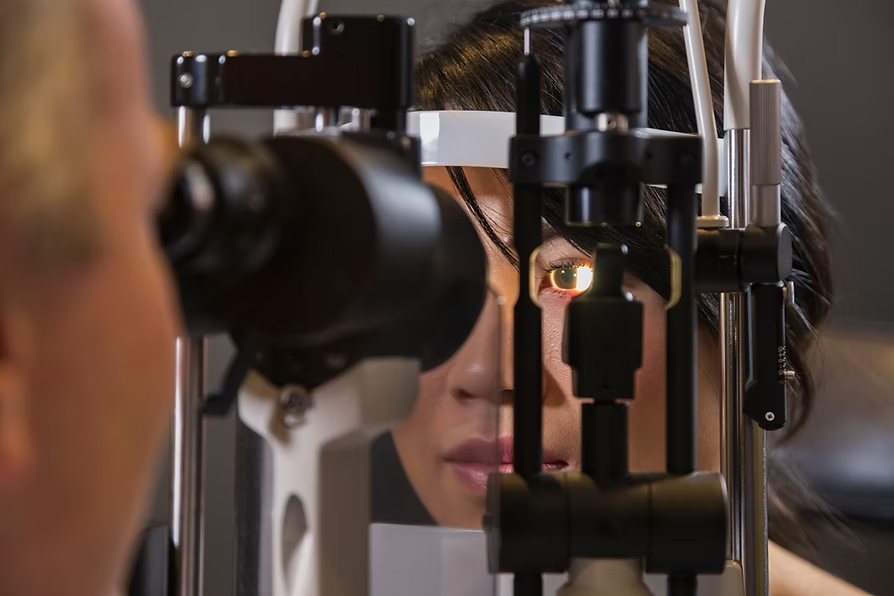
High blood sugar levels can have a detrimental effect on the eyes by damaging the delicate blood vessels that supply oxygen and nutrients to the retina. This can result in reduced blood flow, haemorrhages, swelling, and abnormal blood vessel growth, all of which contribute to vision impairment.
Understanding the complexities of diabetic eye disease and its risk factors is essential for early detection, intervention, and management to preserve vision and prevent complications. Regular eye examinations and proactive management of diabetes and associated conditions are key components of effective care.
The effects of diabetic eye disease extend far beyond just impaired vision. As the condition progresses, it can lead to partial or total vision loss, severely limiting one's ability to perform daily tasks.
Simple activities like reading, driving, or recognising faces become challenging, eroding independence and causing frustration. Moreover, vision loss can have emotional and psychological repercussions, diminishing overall quality of life and leading to feelings of isolation and depression.
Diabetic eye disease is insidious in its progression, gradually worsening over time if left unchecked. The longer the condition remains untreated, the higher the risk of irreversible vision loss. What might start as minor vision disturbances can escalate into severe impairment or blindness without prompt intervention. Understanding the progressive nature of diabetic eye disease underscores the urgency of seeking treatment at the earliest signs of trouble.
Vision loss due to diabetic eye disease can have a ripple effect on various aspects of daily life. It's not just about struggling to see clearly; it's about the profound impact on independence and overall well-being.
Loss of vision can hinder job performance, limit participation in social activities, and disrupt familial roles. Moreover, diminished visual acuity heightens the risk of accidents and falls, further compromising independence and confidence.
Laser treatment, also known as laser photocoagulation, is a commonly used approach for managing diabetic eye disease. It involves using a laser to target and treat specific areas of the retina affected by conditions such as diabetic retinopathy and macular edema.
Macular edema is a common complication of diabetic eye disease characterised by swelling in the macula, the central part of the retina responsible for sharp vision. Laser therapy for macular edema aims to reduce swelling and stabilise vision by targeting and sealing off leaking blood vessels in the retina.
Diabetic retinopathy is a condition that affects the blood vessels in the retina due to diabetes. Laser therapy for diabetic retinopathy helps to reduce the growth of abnormal blood vessels and prevent leakage, thereby preserving vision and preventing further damage to the retina.
No two individuals are alike, and neither are their experiences with diabetic eye disease. Customised treatment plans take into account a range of factors, including the patient’s medical history, disease severity, lifestyle, and personal preferences. By assessing these variables, healthcare professionals can develop targeted strategies to optimise outcomes and enhance quality of life.
For instance, a patient with mild diabetic retinopathy may benefit from lifestyle modifications and regular monitoring, while someone with advanced macular edema may require more intensive interventions such as laser therapy or intravitreal injections. By tailoring treatment to the specific needs of each patient, healthcare providers can maximise the effectiveness of interventions while minimising potential risks and side effects.
Effective treatment planning is a collaborative effort between ophthalmologists and patients. Rather than dictating a course of action, ophthalmologists work in partnership with patients to identify their goals, preferences, and concerns. This collaborative approach fosters open communication, mutual trust, and shared decision-making, empowering patients to take an active role in their care.
During consultations, ophthalmologists engage patients in meaningful discussions about their condition, treatment options, and anticipated outcomes. Together, they explore various treatment pathways, weighing the potential benefits and risks of each approach. By involving patients in the decision-making process, healthcare providers can ensure that treatment plans align with their values, preferences, and lifestyle priorities.
Integrating ophthalmic care with diabetes management and systemic health is essential for addressing the root causes of diabetic eye disease and promoting overall well-being. This holistic approach involves close collaboration between ophthalmologists, endocrinologists, primary care physicians, dietitians, and other healthcare professionals to coordinate care and optimise treatment outcomes.
For example, patients with diabetes may benefit from comprehensive diabetes education, lifestyle counselling, and glycemic control to reduce the risk of diabetic eye complications. Similarly, individuals with diabetic eye disease may require close monitoring of their systemic health parameters, such as blood pressure, cholesterol levels, and kidney function, to mitigate further damage to the eyes and other organs.
Consultant ophthalmologist Sharon Heng has been filmed by NHS England for the second in their series of videos for patients new to eye care.
The video will help patients to understand why they have been referred to diabetic eye screeening, and what it entails.
Treatment options and plan is specific for the grade of diabetic eye disease-
In proliferative diabetic retinopathy or advanced diabetic eye disease with new vessels, scatter laser or photocoaulation or a course of antivegf will be recommended as part of treatment plan, depending on individual circumstances including career and visual needs.
In Diabetic macular oedema, treatment may be a course of antivegf therapy, steroid injection, steroid implant or macular laser.
In certain cases, Ms Heng will consider combined therapy of cataract surgery with antivegf or steroid injection.
Laser treatment for proliferative diabetic retinopathy may cause constriction of visual fields over long period of time. Macular laser may result in scotoma with laser scarring. Very rarely, inadvertent fovea burn may occur causing permanent visual loss but this is extremely rare.
Antivegf may have risk of eye infection following injection (1:1500), corneal abrasion, floaters or subconjunctival haemorrhage at site of injection.
In scatter laser treatment or panretina photocoaulation, you may need 2-3 laser sessions 2 weeks apart at the initial treatment. You may need top up laser even after months or years following the initial laser as diabetic eye disease is intricately linked to diabetic control and may still progress if there is poor control of diabetes, hypertension and hypercholesterolemia.
In the case of antivegf, this is usually given as a course of either 4 or 5 monthly injections at the outset and depending on response, the treatment may be continued following the initial injection dose.
Lasers have been used as gold standard treatment for advanced or prolfierative diabetic retinopathy for many decades and is an effective way of reducing complications or visual bleeding, downstream retina detachment causing visual impairment
Antivegf has been used as an effective therapy for diabetic macular oedema over the last few years and as a treament for proliferative diabetic retinopathy more recently. There has been consistent results showing excellent efficacy and high proportion of patients with visual improvements following antivegf therapy for diabetic macular oedema.
Integrating ophthalmic care with diabetes management and systemic health is essential for addressing the root causes of diabetic eye disease and promoting overall well-being. This holistic approach involves close collaboration between ophthalmologists, endocrinologists, primary care physicians, dietitians, and other healthcare professionals to coordinate care and optimise treatment outcomes.
For example, patients with diabetes may benefit from comprehensive diabetes education, lifestyle counselling, and glycemic control to reduce the risk of diabetic eye complications. Similarly, individuals with diabetic eye disease may require close monitoring of their systemic health parameters, such as blood pressure, cholesterol levels, and kidney function, to mitigate further damage to the eyes and other organs.
Yes Ms Heng will evaluate your diabetic eye disease and determine the optimum or best time to perform cataract surgery. Sometimes, we may perform combination therapy, ie cataract with indirect laser or cataract with steroid of antivegf injection for proliferative diabetic retinopathy or diabetic macular oedema respectively.
Tailored post op regime and drops will also be given to diabetic patients following cataract surgery.